\
Lipo-Lymphedema
What is Lipo-Lymphedema?
Lipo-lymphedema appears when Lipedema, obesity and lymphedema are all presented together. This is commonly referred to as stage IV of Lipedema, which is when too much fat tissue puts pressure on the lymphatic system and then creates secondary lymphedema. This further impairs lymph fluid transport and creates an excess of congested fluid.
Lipo-lymphedema is exacerbated by obesity, to avoid developing Lipo-lymphedema, therapy must be started right away. This provides the ability for the fat cells to be destroyed. Lipo-lymphedema is commonly followed by Lipedema, a lymphatic disease that causes blockage of lymph fluid in the hip, butt, and legs.
It is imperative that Lipo-lymphedema is treated by a specialist. This ensures that all treatment ( i.e. manual lymphatic drainage and compression garments) is done properly. This will prevent any damage happening to the limbs.
Stages of Lipo-Lymphedema
Lymphedema Therapy at Homebase Physical Therapy can help!
As previously stated, Lipo-lymphedema is presented as a stage in Lipedema, usually occurring in stage IV and then escalating as the disease progresses. For references, here are the 4 stages of Lipedema.
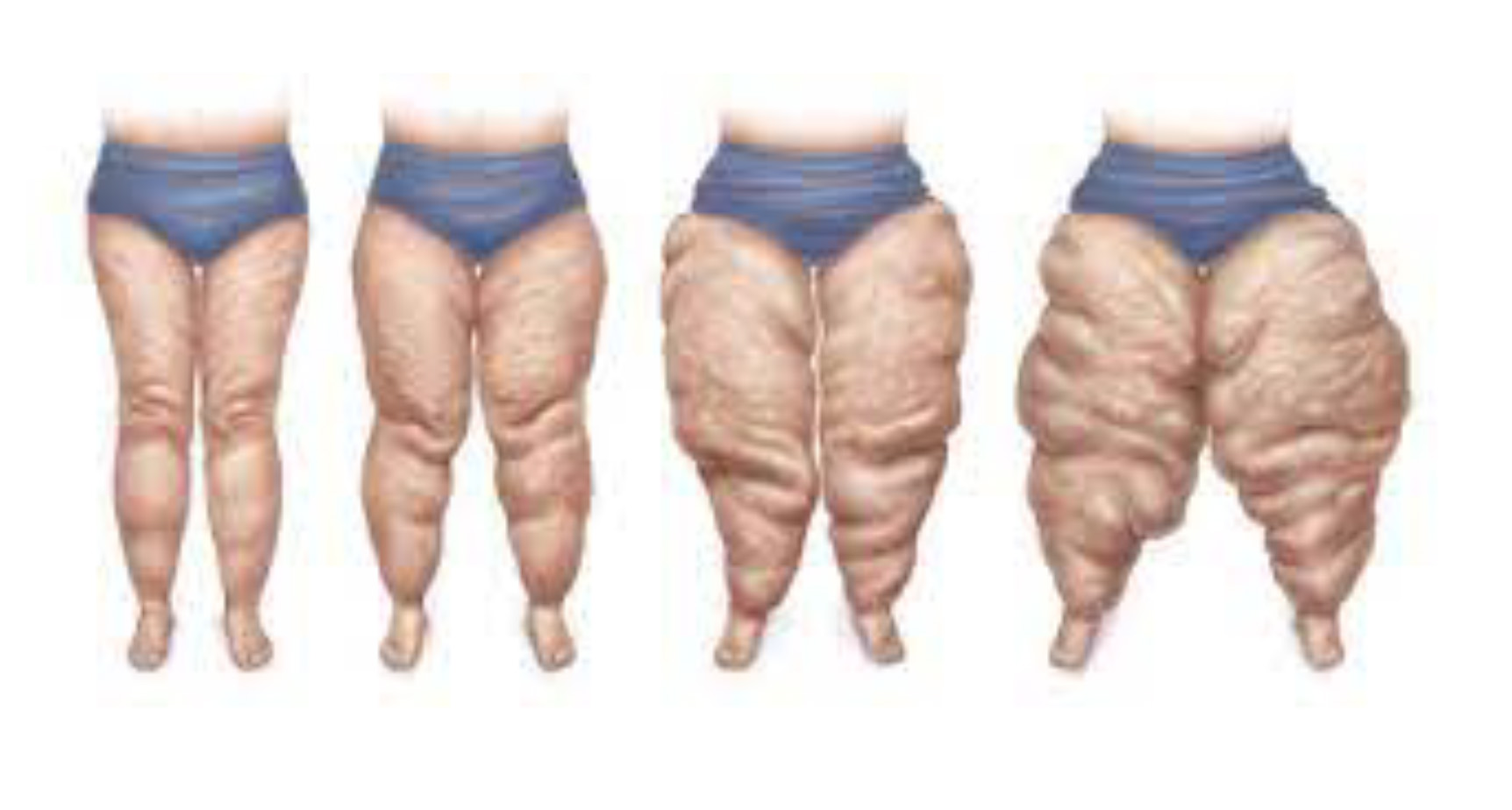
Stage 1:
Although the skin is soft and smooth, there are signs of buildup around the pelvis, buttocks, and hips. Typically, the swelling occurs during the day and will resolve with rest and elevation.
Stage 2:
An uneven amount of skin is noted in this stage. This creates indentations in the fat tissue and is also paired with larger amount of fat that can be detected under the skin.
Stage 3:
Deformation around the hips in the thighs and knees is prominent here, due to the extreme amount of fat tissue.
Stage 4:
Development of Lipolymphedema (combination of Lipedema and Lymphedema) occurs because of the large over hangs of tissue on the arms and legs.
Treatments Lipo-Lymphedema?
Mirjam Nilsson
Manual Lymphatic Drainage
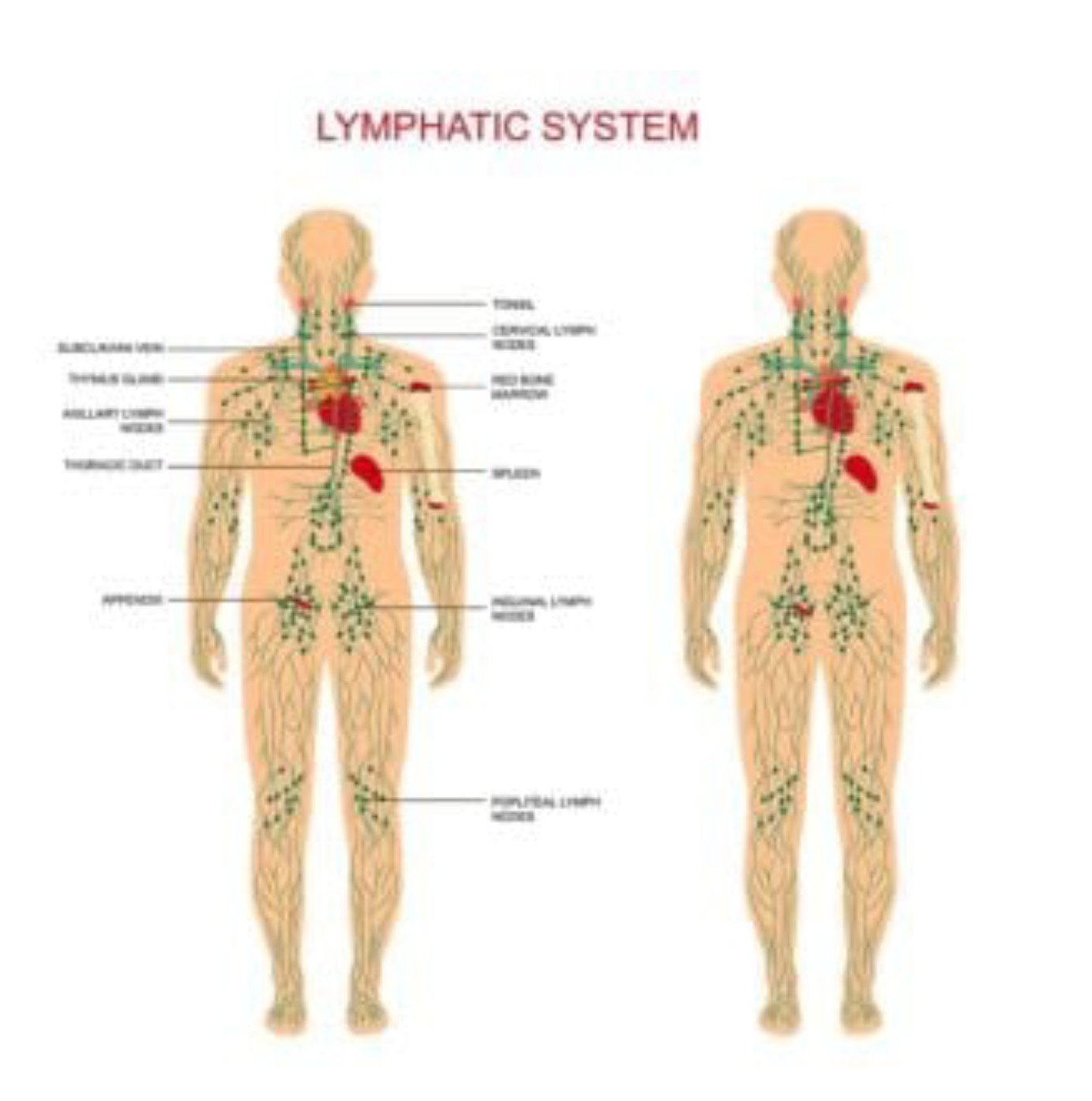
Manual Lymphatic Drainage was specifically designed to help the lymph vessels move the trapped fluid out of the swollen limbs. It is a light, skin- stretching massage, which is not to be mistaken for a normal massage. MLD begins at origins in the body that are not affected. This allows the infected parts of the body to have a place to travel to. MLD’s massage allows the infected parts to “decongest.” MLD also opens the other lymph collectors and moves the protein and fluid to them and speeds up lymph fluid throughout the lymphatics.
MLD is set up with 4 different strokes: stationary circles, scoop technique, pump technique and rotary technique. To have an optimal session of MLD, there are certain things that are expected, which include:
- The patient laying down
- Starts and ends with diaphragmatic breathing
- The unaffected lymph nodes are treated first
- Moves proximal to distal to drain affectively
- Slow/ Rhythmic movements
- Gentle pressure
There are also different approaches to massage using MLD properly. The Vodder approach focuses on different motions throughout the body, dependent on which is being treated. The Foldi approach uses thrust and relaxation to control edema in encircling strokes. Casley- Smith’s approach this method involves use of small and gentle effleurage movements with the side of the hand. The Leduc method specifically uses “call up” and “reabsorption” movements which replicate how lymph is absorbed.
There are some contraindications that would prevent a person with any Lymphatic disease from receiving MLD treatment. These include decompensated cardiac insufficiency, untreated congestive heart failure, acute renal failure, acute deep venous thrombosis. If you are to have these conditions, please advise your physical therapist so other treatment options can be discussed.
Compression Therapy is an important part of properly treating lymphatic diseases. This requires wearing a bandage or garment that compresses the affected areas of the body. This helps to reduce edema and maintain reduction to the applied area. All compression therapy should be assisted by a certified Lymphedema specialist. Compression therapy is a part of Complex Decongestive Therapy.
The compression bandages are designed to reduce the signs of symptoms of Lymphatic diseases. They provide graduated pressure to the outside of the limb, meaning the most pressure is at the wrist or ankle and then deceases as it moves up the body. This ensures that it drains appropriately. Compression Therapy allows the fluid to move away from the affected area and prevents it from coming back.
The first stage of Complex Decongestive Therapy is provided to reduce swelling as much as possible. This is a long phase, typically taking weeks to perform, dependent on the severity of the lymphatic disease.
The most common compression garments are flat knit, wrap and night performed in this stage are short- stretch bandages in the form of multilayer bandaging & wrap compression systems.
Phase II is started right after Phase I, focuses on maintaining and optimizing the reduction in swelling that was accomplished already. The goal is to prevent rebound edema, which would produce more swelling. In this phase, the most common compression garments are flat knit, wrap systems and night systems.
While using compression garments, please look out for these warning signs, as it could be indictive of inappropriate application. These signs are pain, discomfort, changes in skin color, tingling or numbness in fingers and/ or toes. If these symptoms occur, please contact your physical therapist for re-evaluation.
Here, at Homebase Physical Therapy, we have Certified Lymphedema Specialists that can help aid you in starting the right treatment. Please feel free to contact us online or call 973-936-8566.